Furniture disposal rules Kingston Council removals compliance: a practical guide for homeowners, landlords, and removals teams
If you are planning a move in Kingston, furniture disposal can become the awkward bit nobody really wants to deal with. The sofa is too big for the new flat, the wardrobe is chipped, the table is still usable but not worth hauling twice, and suddenly the question changes from "how do we move this?" to "how do we dispose of it properly?" That is where Furniture disposal rules Kingston Council removals compliance matters. Get it wrong, and you risk fly-tipping, delays on moving day, extra costs, or a very annoying last-minute scramble. Get it right, and the whole move feels calmer, cleaner, and a lot more professional.
This guide breaks the topic down in plain English: what the rules mean, how compliant removals work in practice, what furniture can usually be handled, where people trip up, and how to plan disposal without turning the house move into a mess. A lot of this is just sensible planning, truth be told, but the details matter.
Why Furniture disposal rules Kingston Council removals compliance Matters
Furniture disposal is not just a tidy-up task. In Kingston, as in the rest of the UK, you need to think about lawful waste handling, collection arrangements, access rules, and whether items are being reused, recycled, or genuinely thrown away. If you are using a removals provider, compliance is even more important because the responsibility is shared across the customer, the driver, and whoever handles the waste after collection.
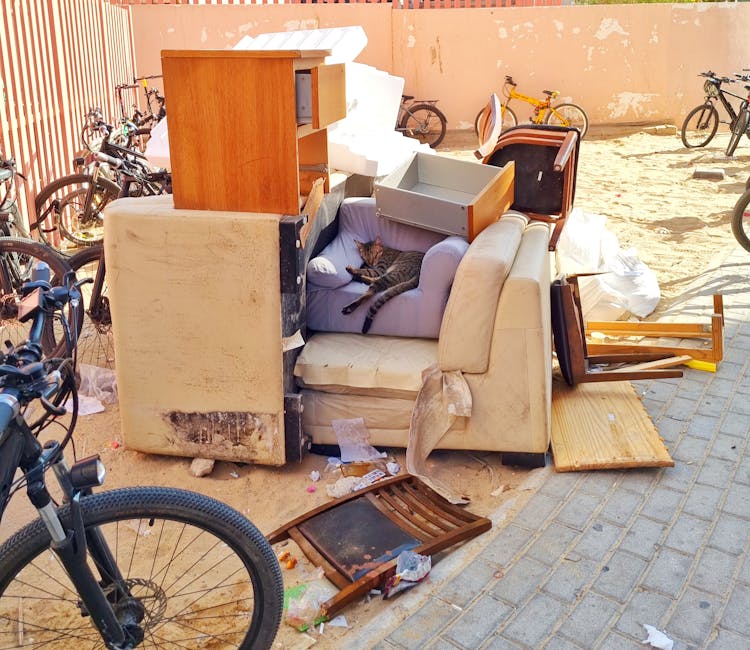
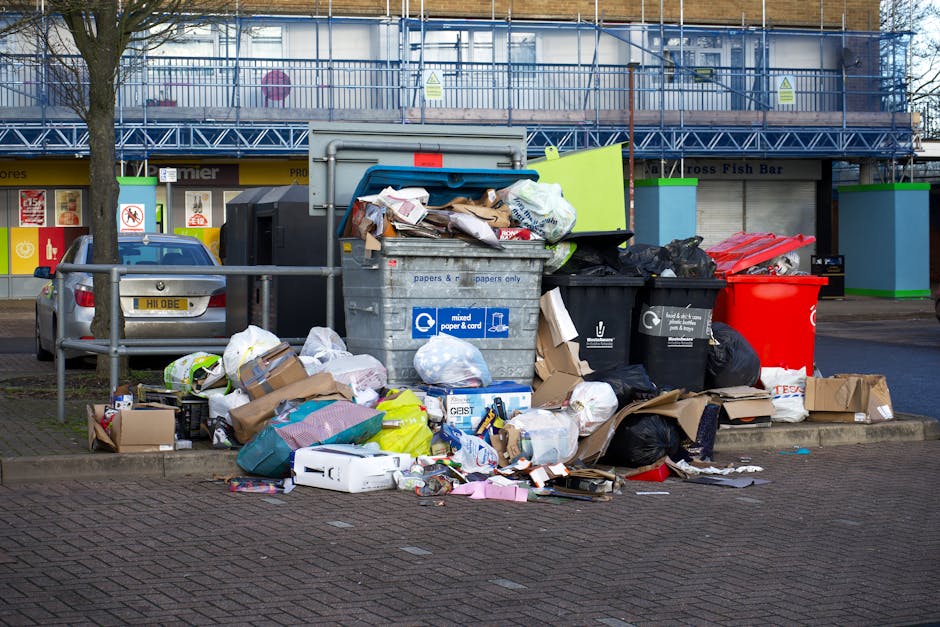
There is also a practical side to it. A chest of drawers left on the pavement can become an obstruction. A mattress dumped outside at the wrong time looks awful, attracts complaints, and can create problems for neighbours or the property manager. Nobody wants that on move day, especially when you are already juggling keys, boxes, parking, and the mild panic of realising the kettle is packed somewhere unknown.
For local moves, furniture disposal compliance helps you avoid three common headaches:
- Illegal dumping risk - handing items to the wrong person or leaving them in the wrong place can lead to fly-tipping issues.
- Move-day delays - bulky furniture can block hallways, lifts, stairwells, and loading bays if not planned properly.
- Unexpected costs - rushed disposal often means paying for last-minute collection or storage you did not budget for.
It is also worth saying that compliance supports a better customer experience. If a removals team knows in advance what must be taken away, what can be donated, and what needs special handling, the entire job tends to feel smoother. Less standing around. Less guesswork. Fewer "oh, I forgot about that" moments.
Expert summary: The safest approach is to treat furniture disposal as part of the move plan, not as an afterthought. Separate items early, confirm how they will be removed, and make sure the disposal method fits the item type and the property access.
How Furniture disposal rules Kingston Council removals compliance Works
At a practical level, compliant furniture disposal usually follows a fairly simple chain: decide what is leaving, confirm whether it can be reused or recycled, arrange lawful removal, and make sure the items end up with the correct disposal route. That route might be a reuse pathway, a recycling facility, or a legitimate waste collection method. It should not be a mystery van, a vague favour, or someone "taking it off your hands" with no clarity on where it goes.
In removals work, the compliance part starts before the truck arrives. A good plan will identify the furniture pieces that are staying, going with you, being dismantled, or being disposed of. It may also flag awkward items such as wardrobes that do not fit through a narrow staircase, or heavy cabinets that need extra handling. In older Kingston properties, that kind of access issue is not unusual at all.
If you are using furniture removal support as part of the move, the process is usually more efficient when disposal is discussed up front. The same is true for full removals services and smaller-scale jobs handled by a man and van style vehicle. The service type matters less than the planning discipline.
Typical compliant workflow:
- List every item you want removed.
- Check condition: reusable, recyclable, or waste.
- Separate anything with special handling needs, such as upholstered items or large glass-topped furniture.
- Confirm access: stairs, lifts, parking, loading restrictions, and door widths.
- Arrange disposal or collection with a provider who can document or explain the route.
- Keep paperwork, invoices, or confirmation for your records where appropriate.
That last point sounds boring. It is boring. But when there is a query later about what happened to an item, documentation saves time and stress.
Key Benefits and Practical Advantages
Compliance is not just about avoiding problems. It actually makes moving easier in several day-to-day ways.
1. A cleaner move-out process. Removing unwanted furniture before the final handover leaves the property clearer for cleaning, inspections, or decoration. That matters if you are a tenant, landlord, or selling a home and want the place to present well.
2. Better use of removal vehicle space. If a large wardrobe is being disposed of rather than transported, that changes how the load is planned. You do not want to waste room on items that could have been handled separately.
3. Lower risk of damage. Moving a sofa only to dump it later is often unnecessary handling. In many cases, it is safer and simpler to remove it at the right stage, rather than dragging it through doorways twice. Your walls will thank you, quietly.
4. Stronger sustainability outcomes. Reuse and recycling are much better than treating every item as general waste. Good disposal planning gives furniture a second life where possible.
5. Reduced stress on move day. That is not a small thing. When the disposal plan is already decided, you are not making emotional choices in a hallway while someone is asking where the sofa needs to go.
For many customers, the best practical advantage is simply clarity. You know what is happening, the team knows what is happening, and the job proceeds without the usual moving-day improvisation that makes everyone slightly more tired than necessary.
Who This Is For and When It Makes Sense
This topic is relevant to a wider range of people than you might think. It is not only for homeowners doing a big clear-out.
Home movers often need furniture disposal when downsizing, upgrading, or moving into a property with a different layout. A two-bedroom flat in Kingston might simply not have room for the oversized dining table you bought years ago and somehow never questioned.
Tenants may need to clear old or damaged furniture before handing back keys. Even if the item was left behind by a previous occupier, you still need to be careful about where it goes and how it is removed.
Landlords and letting agents often need a fast, tidy disposal route between tenancies, especially where bulky items are abandoned or no longer fit the property standard.
Businesses benefit too. Office moves, refurbishments, and stockroom clear-outs create a stream of desks, chairs, shelving, and storage units that need lawful handling. If you are planning a commercial relocation, you may want to look at commercial moves or office removals where disposal planning can be built into the wider move.
Students also run into this. Shared houses and short lets often produce awkward furniture decisions at the end of term or tenancy. A bed frame or desk that seemed fine in September can become a logistics problem by June.
When does it make sense to act? Usually sooner than people think. If an item is unlikely to be used in the new place, and it is heavy or awkward, add it to the disposal plan early. Early decisions are cheaper and calmer. That is just how it goes.
Step-by-Step Guidance
If you want a compliant and low-stress approach, use this sequence. It is straightforward, and it works.
- Walk through the property and tag the furniture. Put a simple note on each item: keep, move, donate, recycle, or dispose. A paper note on the door or a phone checklist works fine.
- Check whether the item can be reused. A solid wood table with minor wear may be fit for reuse. A broken particleboard unit often is not. Be honest here; optimism is not a recycling plan.
- Measure bulky pieces. Measure doorways, stair turns, lift sizes, and the loading area. This is especially useful in flats and maisonettes. If you are moving from a smaller property, consider flat removals support where access is often a major part of the job.
- Separate special items. Upholstered furniture, mattresses, and damaged pieces can require different handling from standard wooden items. Do not bundle everything together and hope for the best.
- Decide the disposal route. Some items may go with the move, some may be collected separately, and some may be stored short term while you decide. If you need a holding solution, storage can be useful while you sort out the final decision.
- Confirm the collection date and vehicle access. If parking is tight or the street is busy, plan the collection window carefully. For quick turnarounds, some customers explore same-day removals, but only if access and timing are realistic.
- Keep your removal crew informed. Tell them what is being disposed of, what is being moved, and what must remain untouched. This sounds basic, yet it prevents a surprising amount of confusion.
Here is a small real-world example. A family moving out of a terraced house in Kingston had a wardrobe that would not fit the staircase on the way up. Instead of forcing the issue on the day, they flagged it in advance, arranged dismantling, and decided the wardrobe was no longer worth keeping. Result? Less stress, fewer scratches, and no one sweating in the hallway at 8:15 in the morning. A rare win.
Expert Tips for Better Results
These are the kinds of details that tend to make the difference between a smooth move and a messy one.
- Sort items room by room. This is faster than trying to deal with the whole house at once.
- Be realistic about condition. If an item is unstable, damaged, or heavily worn, disposal may be the sensible option.
- Keep screws, fittings, and fixings together. Even if the furniture is being thrown away, dismantled parts can still be awkward if they are scattered about.
- Protect communal areas. In flats, keep stairwells and shared entrances clear. One narrow corridor can become a bottleneck very quickly.
- Ask about recycling routes. A good removals provider should be able to explain how items are handled in broad terms.
- Plan for timing. The best removals teams are often busiest earlier in the day. If you can, avoid leaving disposal decisions until late afternoon when everyone is mentally done in.
If you are comparing moving help, service scope matters. A provider offering removal services may suit a more flexible job, while home moves or house removals can be a better fit for a full domestic relocation. There is no magic answer; it depends on what actually needs moving and what is being left behind.
And yes, one more practical tip: do not keep "maybe" furniture. Maybe furniture is the enemy of efficient packing.
Common Mistakes to Avoid
Most problems in furniture disposal come from a few avoidable habits.
- Leaving decisions too late. The night before a move is a poor time to wonder whether the bookcase is staying.
- Assuming all furniture can be treated the same. Different materials, sizes, and conditions mean different handling.
- Not checking access restrictions. This matters in Kingston streets where parking, loading, and stair access can be tight.
- Using a provider without clear terms. You want to know what happens to unwanted items and who is responsible for what.
- Mixing keep and dispose piles. One careless pile can lead to expensive confusion. It really can.
- Ignoring safety. Heavy furniture can cause injury if it is moved without proper lifting technique or enough people.
Another mistake is treating disposal as a separate chore instead of part of the overall move. In reality, the furniture that is going is just as important as the furniture that is staying. If you are not sure where to start, begin with the biggest items first. They shape the rest of the plan.
Tools, Resources and Recommendations
You do not need a complicated toolkit, but a few basic things make the process much easier.
- Measuring tape for doors, stair turns, lifts, and furniture dimensions.
- Marker labels or sticky notes to tag items by room and destination.
- Phone camera to record item condition before disposal or collection.
- Spare bags or boxes for screws, brackets, and small fittings.
- Gloves and protective footwear where lifting is involved.
- A simple inventory list to avoid confusion on move day.
Useful service pages can also help you plan the logistics. For example, if you need flexible vehicle support, man with van or removal van options may suit smaller disposal jobs. If the job is bigger and needs more capacity, removal truck hire or a larger moving truck can make sense.
For business moves, it is also worth thinking about office relocation services if desks, chairs, cabinets, and archive furniture all need sorting in one go. For smaller student jobs, student removals can be the right scale, especially where budget and access are both tight.
A quick note on sustainability: if your furniture is still useful, reuse is often the most practical route. That is why recycling and sustainability should not be an afterthought. It is often the best blend of compliance and common sense.
Law, Compliance, Standards and Best Practice
Without drifting into legal overstatement, the key idea is simple: furniture should be handled responsibly and passed to appropriate disposal or reuse routes. In the UK, waste must be managed properly, and households, landlords, and businesses all benefit from keeping a clear paper trail where items are collected or removed by a third party.
For removals companies, good practice usually means:
- being clear about what will be moved and what will be removed;
- using suitable vehicles and safe lifting methods;
- avoiding anything that looks like uncontrolled dumping;
- explaining disposal arrangements in straightforward terms;
- protecting customer property and shared areas during the job.
Customers should also look for sensible operational standards: insurance awareness, safe handling, and transparent terms. If a provider can explain its approach to insurance and safety and has a visible health and safety policy, that is usually a good sign. Not flashy, just reassuring.
For businesses in particular, compliance is more than a neat idea. Office furniture disposal affects staff safety, site access, and continuity. A clean handover matters, especially when a lease or refurbishment deadline is involved. The sensible standard is simple: dispose of items lawfully, document decisions where needed, and avoid leaving waste in shared or public spaces.
Options, Methods and Comparison Table
There is no single "best" way to dispose of furniture. It depends on condition, urgency, access, and whether the item can be reused. Here is a practical comparison.
| Method | Best for | Advantages | Limitations |
|---|---|---|---|
| Reuse / donation route | Good-condition furniture | Potentially the most sustainable option; reduces waste | Not suitable for damaged, unsafe, or heavily worn items |
| Removal with disposal included | Mixed domestic or office clear-outs | Convenient; works well when moving and disposal happen together | Needs clear instructions and good planning |
| Van-based collection | Smaller loads or single bulky items | Flexible and efficient for modest jobs | Space limits can be an issue for larger furniture sets |
| Storage first, decide later | Uncertain or temporary situations | Buys time when you are not ready to commit | Adds cost and can delay the final decision |
| Full removals service | Whole-house or complex moves | Best for broad planning and coordinated handling | May be more than you need for a single item |
If you are comparing providers, a quick reminder: bigger is not always better. The right setup is the one that matches the job. Sometimes a smaller vehicle and a careful plan are better than a large truck with a vague schedule.
Case Study or Real-World Example
A Kingston couple moving from a family house to a smaller apartment had a tricky furniture mix: a solid oak dresser, two mattresses, a dining set, and a heavy bookcase that no longer suited the new place. At first they planned to take everything and "deal with it later". That is a very human instinct. Later, of course, turns out to mean chaos.
After a short planning session, they split the items into three groups. The dresser was kept, the dining set was sold to a local buyer, and the mattresses plus bookcase were set aside for disposal. Because the disposal was identified before move day, the removals team could plan the load properly, decide what needed dismantling, and avoid moving items that were only going to come straight back out again.
The result was a calmer exit, less clutter in the new apartment, and no awkward "where does this go?" moment in the middle of a narrow staircase. Small change, big difference. That is usually how compliant planning works.
In another common scenario, a small office moving out of Kingston kept half the desks and discarded the rest. The team arranged the move alongside disposal so that the remaining furniture could be packed efficiently, while the unwanted items were separated from reusable equipment. The practical gain was not just cleanliness. It was speed. Fewer delays, fewer mixed messages, fewer things left sitting in a corridor looking sorry for themselves.
Practical Checklist
Use this checklist before collection or moving day:
- Have I listed every furniture item that needs to go?
- Have I decided which items are being kept, sold, donated, stored, or disposed of?
- Have I measured large items and checked access routes?
- Have I separated fittings, screws, and loose parts?
- Have I confirmed whether any item needs special handling?
- Have I told the removal team exactly what is leaving the property?
- Have I considered reuse or recycling before disposal?
- Have I made sure communal areas and pavements will stay clear?
- Do I have any paperwork, invoice, or confirmation I need to keep?
- Have I built enough time into the schedule so I am not rushing at the end?
If you can tick most of those off, you are already in good shape. If not, no drama. Sort the biggest unknowns first and work down the list. That always helps.
Get a free quote today and see how much you can save.
Conclusion
Furniture disposal rules Kingston Council removals compliance is really about doing a simple job properly: deciding what stays, what goes, and how each item is handled safely and lawfully. When the plan is clear, the move feels lighter. The property clears faster, the truck is loaded more efficiently, and everyone involved has a better day.
It does not need to be complicated. Start early, measure properly, separate the items, and choose the right removals support for the scale of the job. That is usually enough to stay compliant and keep the whole process on the rails. And if you are moving in Kingston, a little preparation goes a long way.
In the end, good disposal is not just about getting rid of furniture. It is about finishing a move with less stress, less waste, and a cleaner start in the next place. That feels better, honestly.
Frequently Asked Questions
What does furniture disposal compliance mean in a Kingston move?
It means disposing of unwanted furniture in a way that is lawful, safe, and suitable for the item and the property. In practice, that includes planning the removal route, avoiding fly-tipping, and choosing reuse or recycling where possible.
Can a removals company take away furniture I do not want?
Often yes, if the service is arranged for that purpose. The important thing is to confirm it in advance so the provider knows whether the item is being moved, stored, or disposed of.
Is it better to dispose of furniture before or after moving day?
Usually before, or at least as part of the move plan. That keeps the load lighter, reduces confusion, and helps avoid carrying items twice. Sometimes storage is useful if you are unsure.
What furniture items usually need special attention?
Large wardrobes, heavy cabinets, mattresses, upholstered items, glass furniture, and anything damaged or unstable can need extra planning. Access matters too, especially in flats or older properties.
Do I need paperwork for furniture disposal?
For some collections and business jobs, keeping confirmation or an invoice is sensible. It helps if you need to show what was removed and when, especially for landlord, office, or managed-property moves.
Can good-condition furniture be reused instead of thrown away?
Yes, and that is often the preferred option if the item is safe and usable. Reuse is usually better than treating everything as waste, provided the item is genuinely fit for its next life.
What should I do if furniture will not fit through the door?
Measure first and, if needed, arrange dismantling before the move. Do not leave this until the morning of the job. That sort of surprise tends to create a long pause and a lot of sighing.
Are there compliance risks if I leave furniture on the street?
Yes. Leaving items in the wrong place can cause obstruction, complaints, or fly-tipping concerns. It is much safer to use a planned removal route and keep shared spaces clear.
What is the easiest way to organise furniture disposal during a house move?
Make a room-by-room list, tag every item, decide its destination early, and tell the removals team what is staying and what is going. Simple on paper, but very effective in real life.
How do I choose the right removals support for disposal work?
Match the service to the job size. Smaller loads may suit a van-based option, while larger or more complex moves may need a fuller removals setup. Clarity, safety, and access planning matter more than anything flashy.
What if I am moving from a flat with awkward access?
That is common in Kingston. Look at stair width, lift size, parking, and loading access early. Flat-based moves often benefit from careful planning because the right path matters as much as the right vehicle.
Can furniture disposal be combined with storage?
Yes. If you are undecided about certain items, storage can give you time to make a better decision. That can be helpful when you are downsizing or waiting to settle into the new place.
Who benefits most from planning disposal in advance?
Pretty much everyone: homeowners, tenants, landlords, students, and businesses. It saves time, lowers stress, and reduces the chance of last-minute problems on moving day.