Kingston Council parking permits for removals explained
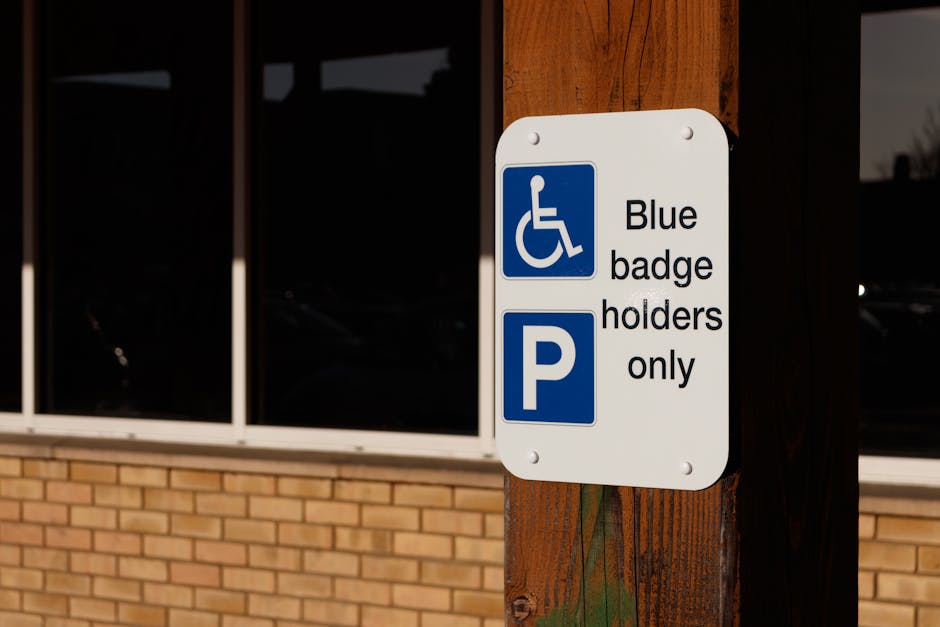
If you are moving home, timing is rarely the only thing that matters. Parking can make or break the day. That is especially true in Kingston, where narrow streets, busy high roads and permit-controlled bays can turn a simple unload into a stressful shuffle of hazard lights, crates and impatient traffic. This guide to Kingston Council parking permits for removals explained walks you through what the permit is for, when you may need one, how the process usually works, and how to avoid the small mistakes that create big delays.
Whether you are moving from a flat near the town centre, a family house in a tighter residential road, or a student property with awkward access, the right parking plan can save time, money and a fair bit of head-scratching. Let's make it straightforward.
Why Kingston Council parking permits for removals explained Matters
A moving day looks simple on paper: park the van, carry boxes, load furniture, leave. In real life, the parking bay may already be occupied, the street may be restricted, or a permit may be needed to stop the vehicle from getting fined or moved on. That matters because removal work is time-sensitive. Every extra minute spent circling the block is a minute not spent protecting your furniture, keeping a lift booking on track, or avoiding awkward overlap with the next occupant.
In Kingston, parking pressure can be intense around busy residential streets, flats with limited frontage, and roads close to shops, stations and schools. Even if you are only stopping for a short period, a vehicle used for removals may still need to comply with local restrictions. If you ignore that, the result can be predictable: a penalty, a frustrated crew, or a move that drags on into the evening. Not ideal, frankly.
It is also worth remembering that removals are not just about the van. They affect neighbours, pedestrians and other road users. A sensible parking arrangement keeps everyone safer and keeps the day moving. If you are planning a flat move, you may also find it useful to read about flat removals in Kingston, especially if your building has limited access or no easy loading space.
Expert summary: the best parking plan is usually the one you set up before moving day, not the one you improvise while standing in the road with a sofa and a time limit.
How Kingston Council parking permits for removals explained Works
At its simplest, a removal parking permit is permission to use a restricted parking space, loading bay or controlled area for a moving vehicle. The exact details depend on the road, the type of restriction, and the council's local rules. In practical terms, you are trying to solve one question: can the van stop legally close enough to your property to load and unload safely?
Some moves need a permit because the road is permit-only. Others need dispensation or temporary permission because the vehicle will be stopping in a loading space for longer than usual. In some streets, you may not need a permit if there is unrestricted parking nearby, but that is rarely something to assume. Always check the current local position in advance. It saves a lot of last-minute panic.
In most cases, the process works like this:
- You identify the address, street and parking restriction involved.
- You work out the move date, time window and how long the vehicle may need to stay.
- You request the appropriate permit, dispensation or parking arrangement.
- You display or confirm the permission in the way required.
- You keep evidence handy in case enforcement staff ask questions.
That sounds dry, but it matters. Removal crews often need close access for heavier items such as wardrobes, white goods, pianos and awkward furniture. If you need specialist handling for large items, the planning side becomes even more important. Our furniture removals Kingston page covers why access and parking go hand in hand for bulkier moves.
One practical point many people miss: a permit is not just a tick-box exercise. It is part of a wider access plan. If the van has to stop far away, you may need extra labour, more time, and possibly a different vehicle size. That is where good local knowledge starts to pay for itself.
Key Benefits and Practical Advantages
Getting the parking side right does more than avoid a fine. It improves the whole moving experience.
- Better time control: the crew can work close to the door instead of carrying items up and down the road.
- Lower risk of damage: shorter carrying distances usually mean fewer knocks, scrapes and dropped corners.
- Less stress for you: the moving day feels less chaotic when the vehicle has a clear place to stop.
- Safer handling: fewer street crossings and less rushed lifting can reduce the chance of injuries.
- More predictable costs: when access is planned properly, it is easier to price the job accurately.
There is also a customer-service benefit that people do not always think about. If the parking plan is sorted, the removal team can focus on the move itself rather than improvising. That tends to make the day smoother, calmer and quicker. And on a wet Tuesday morning, with rain tapping on the van roof, that calm really counts.
If you are comparing moving options, it is worth exploring the broader service fit too. A parking issue may influence whether you need a full team, a smaller vehicle, or something more flexible such as a man with van Kingston service or a more structured house removals Kingston package.
Who This Is For and When It Makes Sense
Not every move needs special parking permission, but plenty do. If any of the following sound familiar, you should assume parking needs attention early.
- You live on a permit-controlled road.
- Your property is in a busy area with limited on-street parking.
- The only nearby space is a loading bay or shared-use bay.
- Your move involves a large van or more than one vehicle.
- You are moving from a flat, basement property or upper-floor home.
- You have large or fragile items that need close access.
- You are moving at peak traffic times, when standing around is not an option.
This is especially relevant for people in flats, students moving between shared properties, and families leaving terraced streets with tight parking. If that sounds like you, then the road outside your house is part of your moving strategy whether you like it or not. For student moves specifically, see student removals Kingston for a practical local angle.
Moves near busy local routes can be trickier than they look. If you are dealing with town-centre access, station area congestion or awkward loading points, it may help to review related guidance such as Kingston High Street flat removals tips for Eden Street and best house removals in Kingston for narrow street access.
Step-by-Step Guidance
If you want the cleanest route through the process, here is the sequence I would follow. It is simple, but being simple is the point.
- Check the street restrictions first. Look at where the van would actually stop, not just where your front door is. The ideal space may be across the road, round the corner, or nowhere near as convenient as you hoped.
- Confirm the moving date and time. If your move spans the morning rush or a busy school-run window, parking matters even more.
- Speak to your removals provider. A good local mover should tell you whether they expect a permit, a dispensation, or a simple loading arrangement. If you are still planning the job, browse services overview to see how different types of moves are typically supported.
- Apply or arrange the permission in advance. Leave breathing room. If there is a delay, you want time to sort it out without turning the whole day upside down.
- Prepare the address details and evidence. Keep confirmation accessible. A screenshot or printed copy can be helpful if there is no signal or your phone battery is sulking.
- Brief everyone involved. Tell the driver, the crew and any neighbours helping out where the vehicle will stop and how long it should stay.
- Recheck the plan the day before. A small change in timing can affect whether the same space is still available.
Here is the bit people sometimes skip: if your move is large, you should link parking to packing and loading order. Put the essential items first and the non-essentials later. If you are still in the packing stage, packing and boxes Kingston can help you think through a more orderly load.
One small but useful habit is to take a photo of the empty parking area before the van arrives, especially if there is any disagreement later about whether the space was usable. Nothing dramatic, just sensible.
Expert Tips for Better Results
After seeing the same moving-day problems crop up again and again, a few patterns stand out.
- Plan around the building, not just the postcode. A block with a lift and a wide entrance is a very different job from a top-floor conversion flat with a tight stairwell.
- Match vehicle size to access. A smaller van can sometimes be easier to park legally and may reduce the need for complicated arrangements.
- Build in a buffer. If the move is booked for 10:00, treat that as the start of the setup, not the moment the sofa goes out the door.
- Keep the driver informed. If access changes, say so early. Waiting until the van is already nearby is the expensive version.
- Think about neighbours. A quick heads-up can prevent awkwardness if the vehicle needs to occupy a shared space for a short period.
There is also a broader service-quality point here. Local removals work best when parking, loading and route planning all sit together. That is why people often compare man and van Kingston, man and a van Kingston and fuller move options depending on how complicated the access looks.
If your move has extra complications like storage or staged delivery, parking should be planned around both ends of the journey. Sometimes the front door is not the biggest challenge; the second stop is. If that is your situation, storage Kingston may be part of a smoother plan.
Common Mistakes to Avoid
A surprising number of moving-day headaches come from the same handful of mistakes. None of them are dramatic on their own, but together they can ruin the flow of the day.
- Assuming parking is fine because "there's usually space". Usually is not the same as guaranteed.
- Leaving the permit arrangement until the last minute. This is the big one. It is also the easiest to avoid.
- Forgetting to check the exact loading position. The space nearest the door may not be the one you are allowed to use.
- Not telling the removal team about restrictions. They can only plan around what they know.
- Ignoring time limits on bays or dispensations. A short stop can become a problem if the load is slower than expected.
- Choosing the wrong vehicle for the street. Big vehicle, tiny street, unhappy morning. You get the picture.
Another easy mistake is booking removal help without considering the local road layout. That is why it helps to review a provider's wider experience and practical advice. For example, if you are still deciding who to hire, the page on removal companies Kingston is a useful place to think about service quality, not just price.
And yes, sometimes the problem is genuinely small. A cone in the wrong place, a neighbour's car, a bin collection day. Little things. But little things become big things when you have a van booked and a lifting crew standing by. Funny how that works.
Tools, Resources and Recommendations
You do not need a huge toolkit to get this right. You just need the right information in the right order.
- Street-view check: useful for seeing bay markings, width and turning space before you book.
- Move-day timeline: note when the van arrives, when the old property is vacated and when keys are handed over.
- Parking notes: write down the bay type, restriction hours and any access instructions.
- Inventory list: helps you judge how long loading is likely to take.
- Removal quote breakdown: useful if parking access affects labour time or vehicle choice.
If you want a more complete picture of the moving process, the following pages can help you build a sensible plan: pricing and quotes for budgeting, removals Kingston for broader service context, and removal van Kingston upon Thames if your move needs a vehicle that fits a tighter access route.
For business moves or larger scale relocations, it may also be worth looking at office removals Kingston. Office moves often have stricter time windows and more pressure around parking, especially if loading must be done before staff or customers arrive.
Law, Compliance, Standards, or Best Practice
Parking permissions for removals sit within everyday local parking control, so the safest approach is to treat the council's current rules as the deciding factor. I'm being careful here on purpose: council procedures, permit types and time limits can change, and they can vary depending on street markings, zone restrictions and the nature of the stop.
From a best-practice point of view, the key principle is straightforward: do not use a loading space, permit bay or restricted road position unless you know the rules for that location and can comply with them. That includes display requirements, time limits and any conditions attached to temporary permission.
It is also wise to keep your own moving records. Not because anyone expects a formal paper trail for a house move, but because a confirmation note, booking reference or email can settle a dispute quickly if enforcement staff or neighbours question the vehicle's presence.
If your move team is handling the lifting, their professionalism matters too. Good operators should follow sensible safety routines and explain how they manage access risks. For a feel of that approach, see insurance and safety and health and safety policy.
One more thing: the best practice in moving is to avoid guesswork. If something is unclear, check it. It sounds obvious, I know. But moving day has a habit of exposing every assumption you made the week before.
Options, Methods, or Comparison Table
Different moves call for different parking approaches. Here is a simple comparison to help you choose what feels realistic for your situation.
| Approach | Best for | Pros | Watch-outs |
|---|---|---|---|
| Pre-arranged council parking permission | Permit-controlled streets, longer loading times | Clearer legality, calmer setup, better planning | Needs lead time and accurate details |
| Informal loading near the property | Short, uncomplicated moves with usable space nearby | Quick and flexible | Only works where restrictions allow it |
| Smaller vehicle with easier parking | Narrow streets and tight residential roads | More manoeuvrable, often simpler to position | May require more trips or tighter loading discipline |
| Full removal service with access planning | Larger homes, flats, awkward access or heavy items | Most structured, less stress, better for complex days | Usually needs more planning and a more detailed quote |
As a rule of thumb, the more difficult the access, the more you should lean towards structured planning rather than improvisation. That is one reason many people choose a local moving company with experience of Kingston's residential streets and mixed housing stock.
If you are still weighing options, the broader choice between a flexible helper and a full team can be useful to review. Pages like man with van Kingston and house removals Kingston give a good sense of how service level changes the amount of planning needed around parking.
Case Study or Real-World Example
Picture a typical Kingston move on a grey Friday morning. A couple are leaving a first-floor flat with a narrow stairwell and one awkward parking space outside the building. The original plan was to "just park there for a bit", but that space is already part of a controlled bay. There is also a bin lorry route and a parked car opposite. Not ideal.
Instead of guessing, they check the restrictions the day before, confirm the parking arrangement with the removal team, and adjust the arrival time slightly so the van can stop legally and close to the entrance. The crew brings in protective covers, loads the furniture in the right order, and the heavier items go first while the corridor is still clear. It is not flashy. It just works.
The difference is felt in small ways. Less carrying. Less stopping and starting. Fewer calls back and forth. The couple can focus on keys, utilities and the endless mystery of where the kettle has gone. That last one always seems to appear after the move, somehow.
If that kind of move sounds familiar, especially in a building with shared access or tight frontage, you may also find removal solutions for Kingston narrow drives and low bridges useful for thinking through access limitations before the day arrives.
Practical Checklist
Use this checklist a few days before the move. It is short for a reason.
- Confirm the moving date and estimated arrival window.
- Check whether the road is permit-controlled or restricted.
- Identify the exact loading spot the van would use.
- Ask whether you need a permit, dispensation or another arrangement.
- Tell the removals team about parking limits and access issues.
- Prepare proof or confirmation of the parking arrangement.
- Check for narrow turns, low bridges or height restrictions.
- Make sure neighbours or building management know what is happening if needed.
- Plan the load order so the most important items go first.
- Keep a backup idea in case the space is occupied or unavailable.
If you are moving quickly or at short notice, it is worth pairing this with advice from same day removals Kingston. Same-day moves can work well, but parking becomes even more important when time is tight.
And if you want to avoid extra costs, especially the hidden kind that creep into busy moving days, this guide on house removals Kingston hidden charges is a smart companion read.
Conclusion
Parking is one of those moving-day details that looks minor until it suddenly isn't. Once you understand how Kingston Council parking permits for removals are handled, the whole process becomes far less mysterious. You are really just solving access, timing and legality in one go.
The safest approach is simple: check the road restrictions early, plan the van position carefully, and keep the moving team informed at every stage. That way, the move feels controlled rather than improvised. A little preparation goes a long way, and in Kingston's busier streets it can be the difference between a calm unload and a slightly chaotic dash.
Get a free quote today and see how much you can save.
And if your move still feels like a lot, that is normal. Break it into small steps, sort the parking first, and the rest tends to settle more easily than you expect. One box at a time.
Frequently Asked Questions
Do I always need a parking permit for removals in Kingston?
Not always. It depends on the street, the parking restrictions, the time of day and how long the removal vehicle needs to stay. If the road is unrestricted and there is safe space close to the property, a permit may not be needed. But it is wise to check rather than assume.
How far in advance should I arrange parking permission?
As early as possible. A few days can be enough in simple cases, but busy streets and tighter access situations should be looked at sooner. The earlier you check, the more options you usually have.
What happens if the van parks in the wrong place on moving day?
It can lead to a penalty, delays or the vehicle being forced to move. It can also make loading slower and increase stress for everyone involved. That is why the parking plan should be settled before the crew arrives.
Can a removal company sort the parking for me?
Some can help guide you through it, especially local firms that know the area well. Even so, it is sensible for you to understand the arrangement yourself. After all, it is your address and your moving timeline.
Does a permit cover loading and unloading automatically?
Not necessarily. Some permissions only apply to certain bay types, time windows or vehicle categories. Always check the conditions attached to the parking arrangement so there are no surprises later.
Is a smaller van better if parking is tight?
Often, yes. A smaller vehicle can be easier to position in narrow roads and may reduce the need for complicated parking manoeuvres. That said, the right choice depends on how much you are moving and how efficiently the van can be loaded.
What if the parking space is occupied when the van arrives?
You should have a backup plan. That might mean a nearby alternative bay, a slightly adjusted arrival time, or a different stop point for the vehicle. Good planning means you are not relying on a single space working perfectly.
Do flats and upper-floor moves need more parking planning?
Usually, yes. A flat move often means more carrying distance, stair time and pressure on the unloading point. If parking is awkward, the job can become much slower. That is why flat moves and parking are closely linked.
Will parking issues make my move more expensive?
They can. Extra carrying distance, longer labour time or vehicle repositioning may all affect the final cost. Clear parking arrangements help keep quotes and schedules more predictable.
Are there special considerations for student moves?
Definitely. Student properties often involve shared houses, limited frontage and tight turnaround times. Parking may look easy until several people are moving on the same street. It helps to treat parking as part of the booking from the start.
What should I tell the removals team before the move?
Tell them the exact address, the likely parking spot, any restrictions, the building access details and whether there are narrow turns, stairs or lifts. The more accurate the information, the smoother the day tends to go.
Where can I learn more about choosing the right moving service?
It helps to compare service types rather than focusing only on the van. If you are deciding between a lighter-touch move and a fuller service, pages such as man and van Kingston, man and a van Kingston and office removals Kingston can give you a better feel for what fits your situation.